
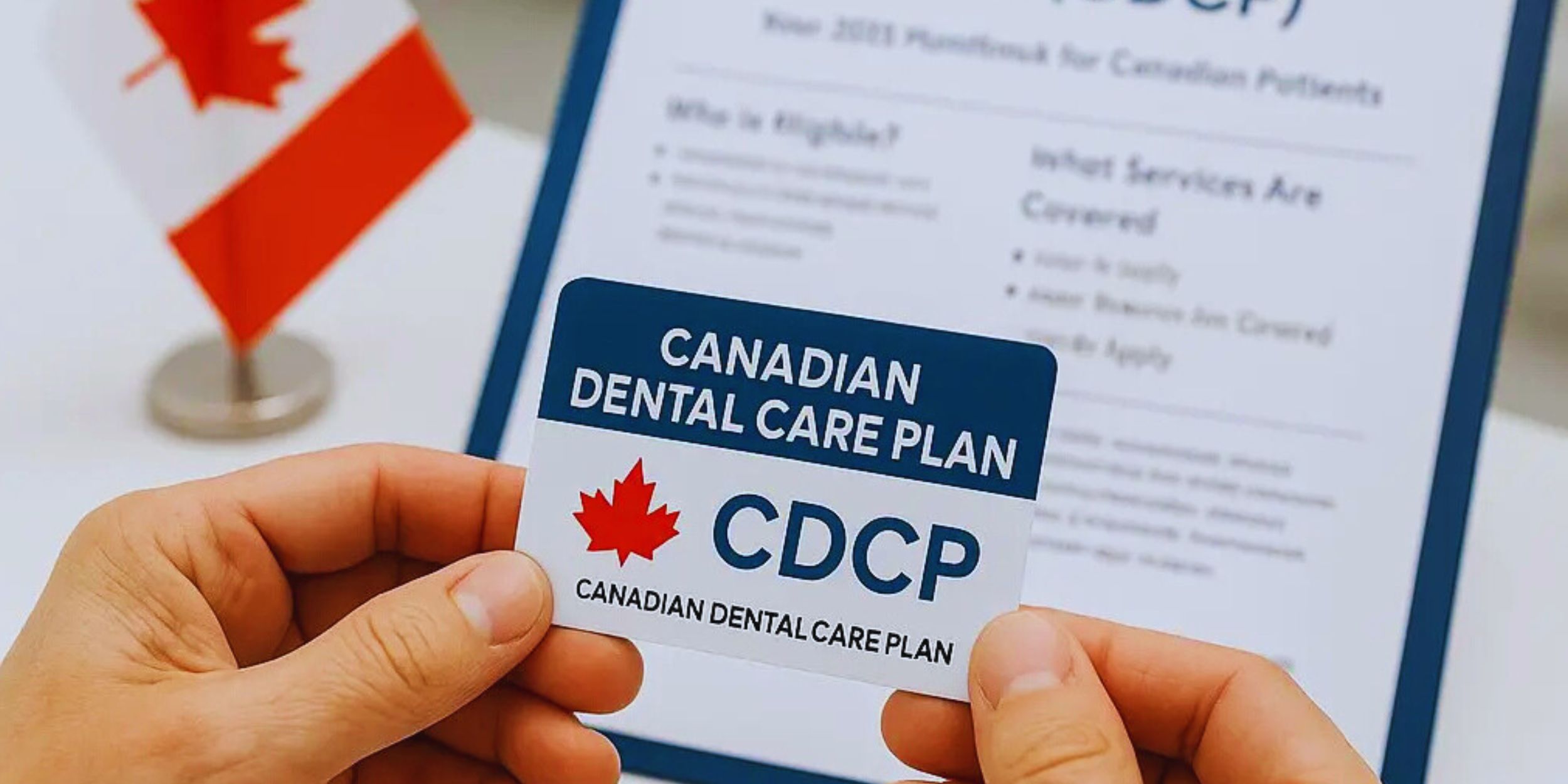
Canada’s oral healthcare system is evolving rapidly, and the Canadian Dental Care Plan (CDCP) is one of the most impactful changes in recent years. As the program continues expanding in 2025, millions of uninsured Canadians are now eligible for essential dental services, reshaping how patients access care and how dental practices operate.
This guide explains what the Canadian Dental Care Plan is, who qualifies, what services are covered, how to apply, and what it means for both patients and dental professionals across Canada.
What Is the Canadian Dental Care Plan?
The Canadian Dental Care Plan is a federally funded program designed to improve access to dental care for Canadians who do not have private dental insurance and fall within specific income thresholds. Its primary goal is to remove cost as a barrier to oral healthcare and encourage preventive treatment before conditions become more serious and expensive.
The CDCP does not replace private or employer-sponsored insurance. Instead, it fills a long-standing gap for uninsured Canadians who often delay or avoid dental visits due to financial concerns.
Who Is Eligible in 2025?
Eligibility for the Canadian Dental Care Plan has expanded significantly in 2025. To qualify, individuals must:
- Be a Canadian resident for tax purposes
- Have filed their most recent income tax return
- Not have access to any private, employer, or pension dental insurance
- Have an adjusted family net income below $90,000
A major update in 2025 is the inclusion of eligible adults aged 18 to 64, in addition to seniors, children, and adults with disabilities. This expansion has opened access to dental care for millions of working-age Canadians.

What Dental Services Are Covered?
The CDCP focuses on essential and preventive dental services, including:
- Dental exams, cleanings, and X-rays
- Preventive treatments
- Fillings and restorative procedures
- Root canal treatments
- Periodontal (gum disease) care
- Dentures and other prosthodontic services
- Tooth extractions and basic oral surgery
Some advanced or complex treatments may require pre-authorization, but the overall coverage allows patients to address both routine and long-standing oral health issues.
Coverage Levels and Patient Co-Payments
Coverage under the CDCP is income-based:
- Households earning under $70,000 receive full coverage for eligible services
- Households earning $70,000–$79,999 receive partial coverage
- Households earning $80,000–$89,999 receive lower coverage with higher co-payments
This tiered approach ensures the greatest financial support goes to those who need it most.
How to Apply for the Canadian Dental Care Plan
Applying for the Canadian Dental Care Plan is straightforward:
1. Apply Online (Recommended)
You can apply directly through the official Government of Canada portal:
https://www.canada.ca/en/services/benefits/dental/dental-care-plan/apply.html
You’ll need:
- Social Insurance Number (SIN)
- Personal details (name, date of birth, address)
- Information about any existing dental coverage
- Proof of tax filing (Notice of Assessment)
2. Apply Through My Service Canada Account
If you have a My Service Canada Account, you can apply directly after logging in.
3. Apply by Phone or In Person
For those unable to apply online:
- Phone: 1-833-537-4342
- Visit a Service Canada Centre for assistance
Coverage must be renewed annually to remain active.
What Happens After You Apply?

Once approved, applicants receive a welcome package confirming their coverage start date and plan details. Dental services must be received after coverage becomes active to be eligible under the plan.
Research and Oral Health Impact
Research consistently shows that cost is one of the biggest barriers preventing Canadians from seeking dental care. Public health studies link poor oral health to chronic conditions such as cardiovascular disease, diabetes complications, and respiratory infections.
By expanding access to preventive and restorative care, the Canadian Dental Care Plan supports improved long-term health outcomes while reducing emergency dental visits and advanced oral disease.
What This Means for Patients
For patients, the CDCP removes a major financial obstacle to oral healthcare. Many Canadians are now receiving dental care for the first time in years, addressing untreated cavities, gum disease, and tooth loss.
Patients are encouraged to:
- Confirm eligibility before booking appointments
- Ask their dental clinic about coverage and co-payments
- Ensure their provider participates in the CDCP
What This Means for Dental Clinics and Providers
For dental professionals, the CDCP brings increased patient volume and a stronger focus on preventive care. Clinics must ensure accurate eligibility checks, proper documentation, and compliant billing processes.
With increased demand for preventive, restorative, and periodontal treatments, reliable dental instruments and supplies are more important than ever.
Supporting Dental Professionals Across Canada
At CarrotHCP, we proudly support dental clinics across Ontario and all of Canada with high-quality dental instruments and healthcare supplies designed for efficiency, accuracy, and patient safety.
Browse and purchase dental instruments and supplies here:
https://carrothcp.com/shop/
Whether you’re treating CDCP-covered patients or private patients, having dependable tools helps ensure consistent, high-quality care.
Frequently Asked Questions (FAQs)
Who can apply for the Canadian Dental Care Plan?
Uninsured Canadians with an adjusted family net income under $90,000 who have filed their taxes.
Can families apply together?
Yes, spouses, partners, and dependent children can be included in one application.
Are dentures and major procedures covered?
Many restorative and prosthodontic services are covered, though some may require pre-approval.
Do all dentists accept the CDCP?
Most dental professionals participate, but patients should confirm with their clinic in advance.
Will I have to pay anything out of pocket?
That depends on household income and the treatment provided. Some patients receive full coverage, while others have co-payments.