
Oral health is no longer viewed as separate from overall health. In recent years, growing scientific evidence has confirmed what dental professionals have long observed: the health of your gums and mouth is closely connected to the health of your heart, brain, lungs, and the rest of your body.
For Canadians, this connection is especially important as cardiovascular disease remains one of the leading causes of illness and death nationwide. Understanding how oral health impacts systemic health can help patients make better decisions — and help dental practices reinforce the importance of preventive care.
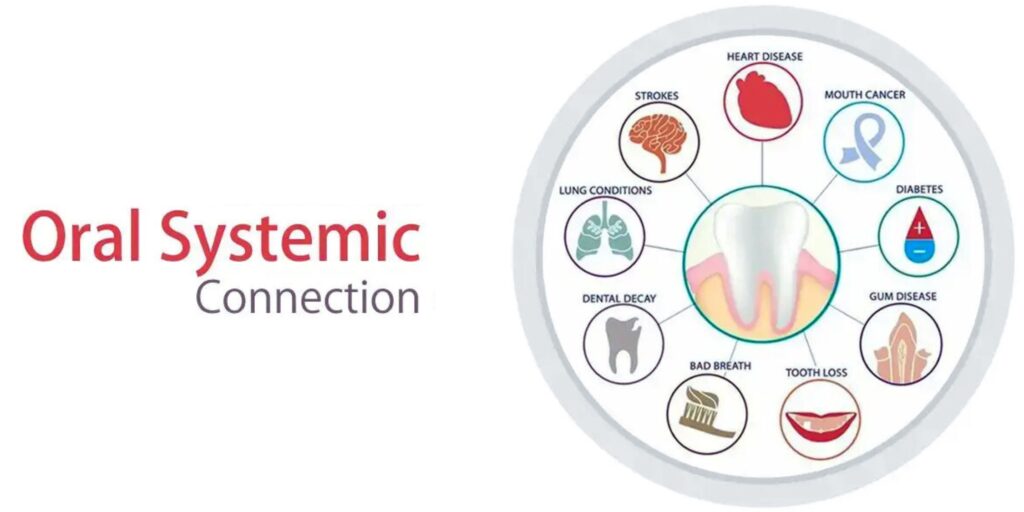
Understanding the Oral-Systemic Connection
The mouth is home to hundreds of species of bacteria. When oral hygiene is poor, harmful bacteria can accumulate below the gum line, leading to inflammation, gingivitis, and periodontitis.
Chronic gum disease allows bacteria and inflammatory markers to enter the bloodstream, where they can contribute to systemic inflammation — a known risk factor for cardiovascular disease and other chronic conditions.
According to Health Canada, inflammation plays a central role in many non-communicable diseases, including heart disease and diabetes.
What the Research Shows
Multiple large-scale studies have demonstrated a strong association between periodontal disease and cardiovascular conditions.
A landmark study published by the American Heart Association reported that people with periodontal disease are at a significantly higher risk of developing heart disease compared to those with healthy gums.
Research from Harvard Medical School also indicates that oral bacteria linked to gum disease have been found in arterial plaque, suggesting a biological pathway connecting oral infections and cardiovascular inflammation.
In Canada, population health research summarized by Statistics Canada highlights that adults with poor oral health are more likely to report chronic conditions, including heart disease and diabetes.
How Gum Disease Affects the Heart
The connection between gum disease and heart health is not about direct causation, but shared biological mechanisms:
- Oral bacteria entering the bloodstream
- Chronic inflammation triggering immune responses
- Increased arterial inflammation and plaque formation
- Elevated risk factors such as diabetes and smoking
“Inflammation is the common thread linking periodontal disease and cardiovascular disease.”
This is why dentists increasingly play a role in early identification of broader health risks.
Oral Health and Other Systemic Conditions
The oral-systemic link extends beyond heart health. Research has also shown associations between poor oral health and:
- Diabetes complications
- Stroke
- Respiratory infections
- Adverse pregnancy outcomes
The World Health Organization recognizes oral diseases as a major global public health burden that significantly impacts overall health and quality of life.
Why Preventive Dental Care Matters More Than Ever
Preventive dental care is not just about avoiding cavities — it’s about protecting long-term health.
Regular dental exams and cleanings help:
- Reduce harmful oral bacteria
- Control gum inflammation early
- Detect periodontal disease before it progresses
- Lower systemic inflammatory burden
Studies published in the Journal of Periodontology show that treating gum disease can reduce markers of systemic inflammation linked to cardiovascular risk.
The Canadian Context
In Canada, a significant number of adults delay dental visits due to cost or access barriers. Public health data shows that delayed dental care often leads to more severe oral disease — increasing systemic health risks over time.
With expanded access through programs like the Canadian Dental Care Plan, more Canadians are now able to receive preventive care that supports both oral and overall health.
What This Means for Dental Professionals
For dental clinics, the oral-systemic link reinforces the importance of:
- Thorough periodontal assessments
- Patient education on systemic health risks
- Early intervention and preventive care
- High clinical standards and reliable instruments
As awareness grows, patients increasingly expect their dental provider to take a whole-health approach — not just treat teeth in isolation.
Supporting Preventive Dentistry Across Canada
At CarrotHCP, we support dental professionals across Ontario and all of Canada with high-quality dental instruments and healthcare supplies designed to support preventive, diagnostic, and periodontal care.
Learn more about our company: Carrot HCP – Dental Tools Supplier in Canada
Browse dental instruments and supplies for your practice:
https://carrothcp.com/shop/
From periodontal tools to diagnostic instruments, having dependable equipment helps clinics deliver consistent, high-quality care that supports better health outcomes.
What Dental and Medical Experts Say
“The mouth is not separate from the body. Oral health is a key component of overall health.”
This integrated view is now widely accepted across both dental and medical communities, shaping how healthcare providers collaborate and educate patients.
What Patients Can Do to Protect Their Oral and Heart Health
Simple habits can make a measurable difference:
- Brush twice daily with fluoride toothpaste
- Floss or clean interdentally every day
- Attend regular dental checkups and cleanings
- Manage chronic conditions like diabetes
- Avoid tobacco use
Good oral hygiene is a daily investment in overall health.
Frequently Asked Questions (FAQs)
Can gum disease really affect heart health?
Yes. Research shows a strong association between periodontal disease and cardiovascular conditions through shared inflammatory pathways.
Does treating gum disease reduce heart disease risk?
Treating gum disease reduces systemic inflammation, which may help lower cardiovascular risk factors.
How often should I have my gums checked?
Most adults should have periodontal assessments at least once a year, or more frequently if risk factors are present.
Is bleeding gums a serious sign?
Yes. Bleeding gums are often an early sign of gum disease and should not be ignored.
Can preventive dental care improve overall health?
Yes. Preventive care supports oral health and may contribute to better systemic health outcomes.